


We got married in a fever
Hotter than a pepper sprout
We’ve been talking ’bout Jackson
Ever since the fire went out
‘Jackson’ – June Carter Cash
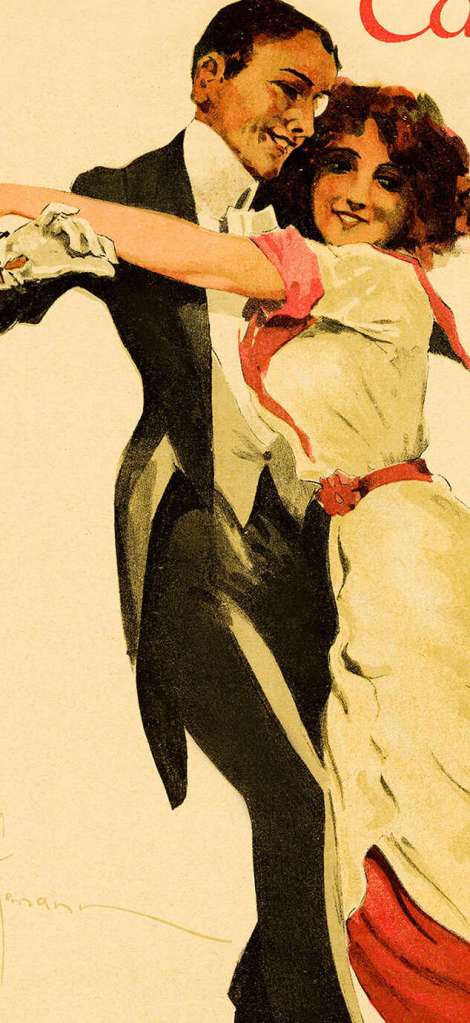
The famous duet from Johnny Cash and June Carter Cash, entitled ‘Jackson’, features a couple bemoaning the view of their getting married in a pique of ‘fever’. Now being bored with each other the man wants to run away to the excitement of the big city while his wife tells him she will have her own fun back home at the local bar.
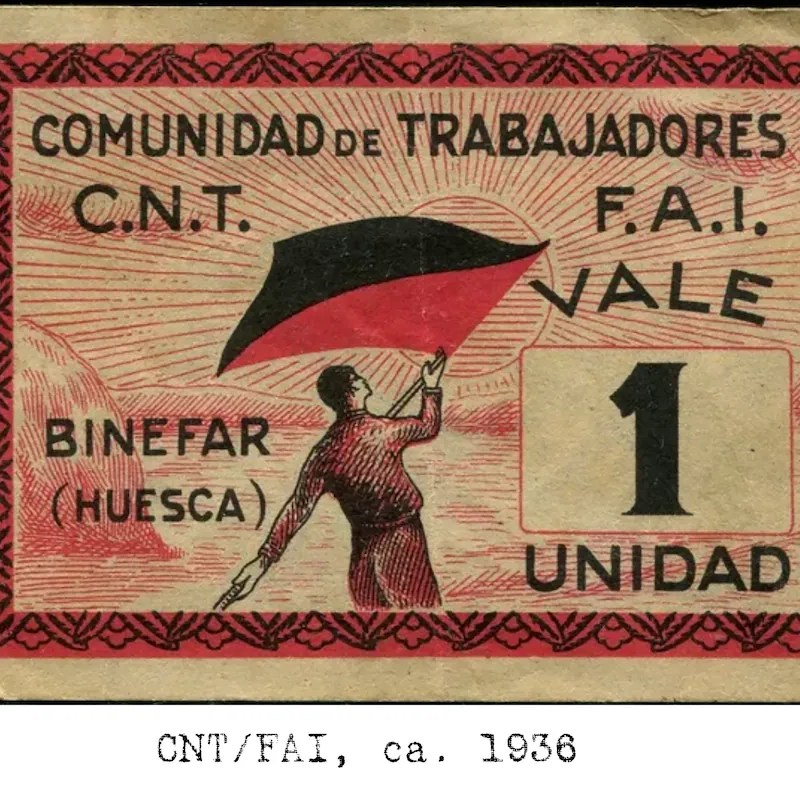
I recently finished reading Ernest Hemmingway’s ‘For Whom The Bell Tolls.’ It rekindled my interest in that tragic period of history known as the Spanish Civil War. I re-watched the excellent Granada TV documentary from 1983, made eight years after the death of Franco with first hand eye witness accounts from both sides. What struck me about the anarchist revolution in Catalonia was the fervent desire to completely throw out the old and start anew. Money was abolished…until they realized that they needed some form of regulation, so the union committees started issuing credit notes dependent on what each worker had done. Marriage was abolished…until they realized that couples desired, especially the women, some form of permanent arrangement. Three marriage certificates were held in different places which could be gathered and burned to dissolve the marriage if either of the couple so desired. Amusingly, one union official told of how he would say to the young groom that if he ever came looking for the certificates, he would give him a clip around the ear! So even the anarchists began to realise that there may have been some good things in the society they so fundamentally rejected.
It is easy to catch a fever – not just the physical ones but the emotional ones. June Carter Cash’s couple seem to have jumped full steam into a permanent relationship without any sober reflection. The Church has always taught couples not to have sex before marriage…today we turn our nose up at this teaching thinking it outdated, that what we feel is what should direct us. Yet wisdom is ageless and timeless. Hemmingway’s central character is swept up by the passion of a cause that sees him travel thousands of miles, from America to Spain, to fight in a foreign domestic war because it represents for him something that is universally ‘right’ and ‘just.’ Whilst he displays some sympathy for the enemy, he refuses to recognise that they too have their all embracing cause for what is ‘right.’ He cannot entertain this thought because it will impede his ability to kill the enemy. War is evil precisely because it stops any empathic connection to the plight of another human being.
After Hemmingway, I began reading Peter Kemp’s ‘Mine Were of Trouble’ (recounting the events from the perspective of an English volunteer with the Foreign Legion of the Nationalist armies). In it he gives an account of the execution of captured prisoners from the International Brigades. When he complains to a senior officer he is told that he is not Spanish and does not understand how sick they are of foreign intervention, that their ‘internal’ dispute could have been settled months earlier if it wasn’t for the International Brigades defence of Madrid. He is told that he too would be shown no mercy if captured by them. One of the saddest parts of Kemp’s book was an account of when they overran a position of the International Brigades mostly from North America. He was given the task of reading and translating captured correspondence. He recounts the letter he read from the sweetheart of a soldier from Maine. What struck him was the normality of her recounting all the goings-on back home. It was the concluding ‘please come home to me’ that affected him, having seen the man lying dead in a ditch. War rips the heart out of our normal human existence.
The first book I ever read on the Spanish Civil War was George Orwell’s ‘Homage to Catalonia.’ Before this I had alway assumed that the left wing propaganda was correct…that it was a virtuous conflict against ‘fascism.’ Within the conflict itself one side vilified the other as ‘fascist’, whilst the other side vilified them as communists or ‘reds.’ Neither view gave the complete picture of what was actually happening. It is often said that the first victim of war is truth. Spanish society at the time needed economic reform, especially in agriculture. Most peasants were barely surviving on subsistence wages. Many land and factory owners had yet to take on board the Catholic social teaching espoused by Pope Leo XIII in his encyclical ‘Rerum Novarum’ of forty years earlier. Change was needed, but the reaction to these social issues ended up with a throwing out of everything Christian on which Spanish society had depended for centuries. Churches and monasteries were burnt down and priests and religious were murdered. Talk about doing it in a fever. Thus each position became entrenched and the tragedy unfolded.
And likewise today we have ‘entrenched’ positions. The ‘trench’ being a protective hole, dug with great effort, whereby you cannot see the enemy but you sure as hell throw explosive devices at them! If you are going to kill your enemy then the least you can do is look them in the eye first…not normally an option in today’s conflicts. One thing the Spanish Civil War brought to the ‘progressive’ modern world was aerial bombing. Committed by by both sides it brought to the stage that scourge of modern warfare.
So too today we throw our accusations around like hand grenades from our deep trenches. Let us learn how to meet each other face to face again…away from our smart phones! Learn to be vulnerable and not to be a hot-head! No amount of angst will be resolve by self-referential ideologies. Only in God does my soul find it’s peace.
See to it that no one makes a prey of you by philosophy and empty deceit, according to human tradition, according to the elemental spirits of the universe, and not according to Christ.
Colossians 2:8
We need wise heads and elders more than ever. Our desperate desire to jump on the bandwagon of rapid change in the name of ‘progress’ is to be blinded to the wisdom of previous ages. We are now questioning everything we have previously understood as what it means to be human. Every new category of identity is being added to our never ending list. We are becoming increasingly alienated from ourselves, from our families, from our local communities, from our nations and ultimately from God. The echoes of history are plain to see if we ever took time to reflect on what went on before. Do we really want to press the ‘repeat’ button? Will we learn any lessons from the Spanish Civil War?
Listen to advice and accept instruction,
that you may gain wisdom for the future.
Many are the plans in the mind of a man,
but it is the purpose of the Lord that will be established.
Proverbs 19:20-21
 Brother Alberic